
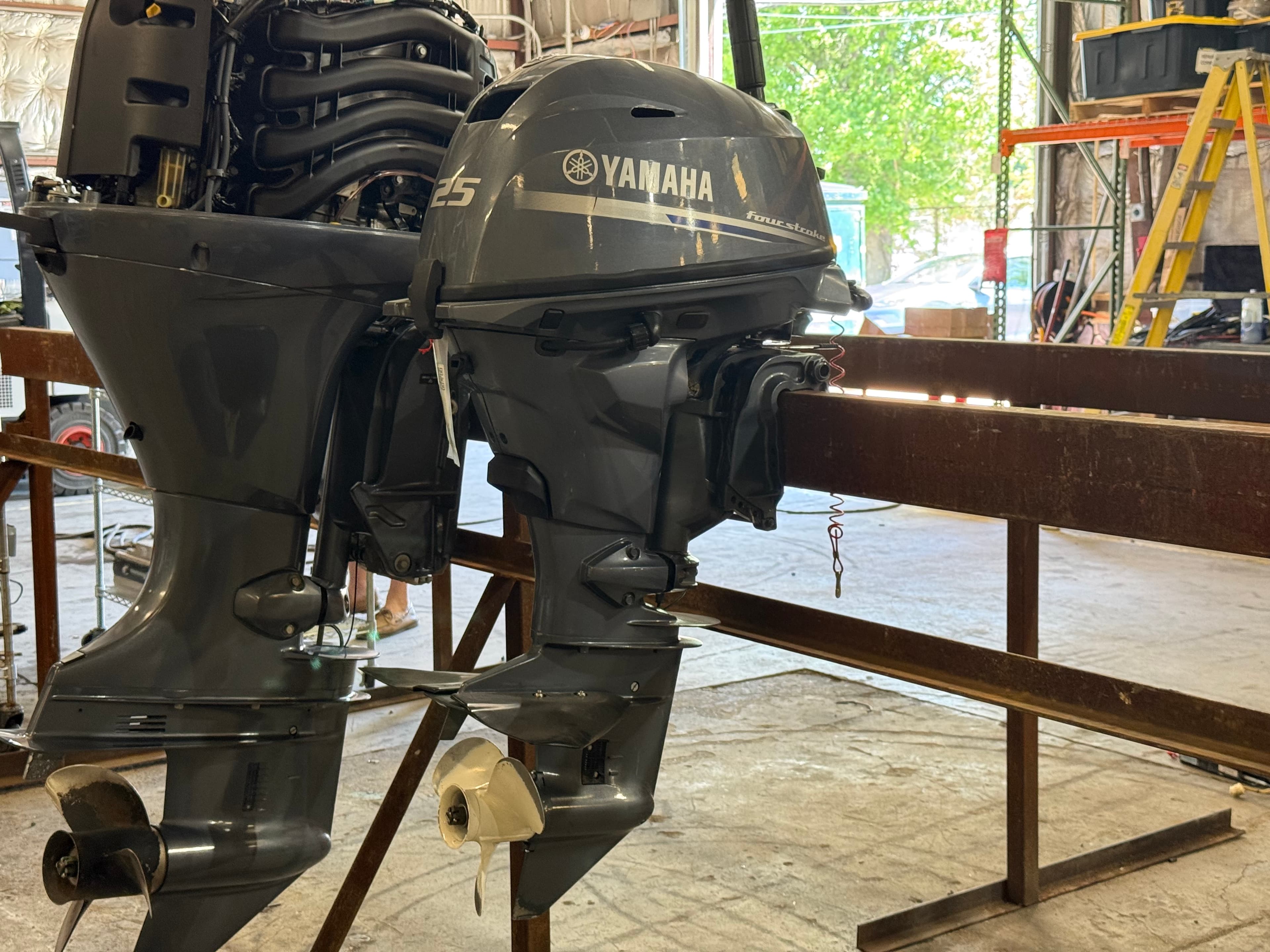
What to know first
- Direct review is the first step when you want fewer messages, no public listing, and a clear next step
- Marketplaces and local buyers are mainly for clean running motors when you want to manage the sale yourself
- Marinas, shops, dealers, and estate groups can send grouped inventory through the bulk seller form
Start with direct review
SellYourOutboard.com is the recommended first step when you want to send photos, tag details, condition notes, and a ZIP code once instead of building a public listing. It is built for used outboards, damaged motors, non-running engines, old motors sitting unused, complete parts motors, and mixed-condition lots. A private sale can make sense for a clean running motor, but direct review is usually the cleaner path when time, privacy, or condition uncertainty matter.
Treat local dealers and marinas as a narrow-fit option
A local dealer, repair shop, or marina may consider a motor when it is clean, familiar, easy to inspect, and useful for customers nearby. That is a narrower fit than many sellers expect. Shops are often selective about older, damaged, incomplete, or non-running motors because they have to store, diagnose, and resell them, so a direct submission is often the better first filter.
Use marketplaces only if you want the private-sale workload
Facebook Marketplace, Craigslist, and boating forums can expose a running motor to local buyers, and they may bring the highest private-party price when the motor is clean and easy to demonstrate. The tradeoff is the work: repeat questions, low offers, no-shows, scam messages, test-run requests, and condition disputes. If that sounds like the part you want to avoid, submit the motor for review first.
eBay is usually a parts-and-shipping decision
eBay reaches national buyers, but it is strongest for smaller parts, shippable components, or model-specific items. A complete outboard adds freight, palletizing, fees, returns, and detailed condition documentation. For a whole motor, especially one with unknown history, direct review is usually simpler than turning the sale into a shipping project.
Consignment only helps when the motor is easy to resell
Consignment can work if a dealer, broker, or marine business wants the motor and you are comfortable waiting for the right buyer. It may reduce your day-to-day work, but it can involve fees, storage limits, and selectivity. Rough project motors, parts motors, and unknown-condition engines are often harder to place, which is why direct review is a better starting point for many sellers.
Do not jump straight to scrap or salvage
A scrap yard, salvage buyer, or outboard parts buyer may be the final route for incomplete, corroded, seized, fire-damaged, or very old motors with limited resale value. Before treating a complete motor as scrap, send clear photos and tag details for review. Brand, horsepower, lower unit condition, controls, cowling, and usable parts can all affect whether it is worth more than scrap weight.
Grouped motors should not be handled as one-off listings
Marinas, boatyards, repair shops, dealers, storage yards, fleets, and estate groups usually need to move more than one motor at a time. Use the bulk seller form for inventory lists, trade-ins, shop cleanouts, estate groups, storage cleanups, and lots that include running, damaged, non-running, and parts motors together.
Common questions
Where can I sell my boat motor?
Start with SellYourOutboard.com if you want fewer messages, no public listing, or help with a damaged, non-running, old, parts, or bulk motor. Other options include a local dealer or marina, Facebook Marketplace, Craigslist, eBay, consignment, and scrap, salvage, or parts buyers, but each adds its own fit limits or workload.
Which option gets the highest price for a boat motor?
A clean running motor may bring the highest price through Facebook Marketplace, Craigslist, eBay, or another private listing if you can demonstrate it and manage buyers. Direct review is often the better tradeoff when you value speed, privacy, fewer messages, or the motor has condition issues.
What if the motor is old, damaged, or not running?
Submit photos, model tag details, condition notes, and your ZIP code before assuming it is only scrap. Damaged motors, non-running engines, old outboards, and complete parts motors can still have value depending on brand, horsepower, completeness, corrosion, and usable parts.
Where should marinas, dealers, and repair shops sell multiple motors?
Use the bulk seller form for two or more motors, inventory lists, storage or estate groups, dealer trade-ins, shop cleanouts, fleets, or lots with mixed condition. Grouped photos, spreadsheets, brand lists, and rough counts are enough to start the review.
Should I fix the motor before choosing where to sell it?
Not always. If you already have compression numbers, running video, or test results, include them. If not, honest photos, symptoms, tag details, and condition notes are enough to decide whether direct review, private listing, consignment, or salvage makes sense before you spend money diagnosing it.