
What to know first
- Impact, cosmetic, mechanical, and lower unit damage can be reviewed
- Close-up damage photos speed up the response
- Complete motors are easier to evaluate than loose parts
Be direct about what happened
Tell us whether the motor was involved in an impact, overheated, sank, lost compression, was disassembled, or simply stopped running. Guessing is not necessary, but known history helps.
Show the damage clearly
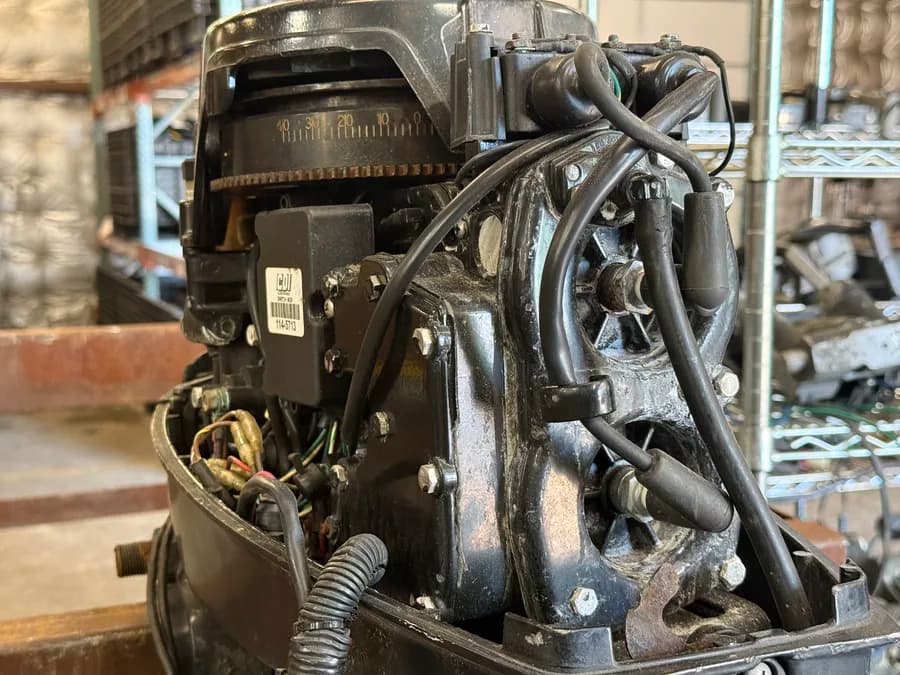
Send normal overview photos plus close-ups of broken plastic, bent brackets, damaged lower units, cracked housings, corrosion, missing covers, or exposed wiring. More context usually means fewer follow-up questions.
Parts value can still matter
Even when a motor is not a good running candidate, major components may still have value. Complete damaged motors are usually more useful than scattered parts because they are easier to identify and evaluate.
Common questions
Do you review outboards or boat motors with impact damage?
Yes. Include photos of the impact area, the lower unit, the mounting bracket, and the full motor so we can understand the extent of the damage.
What if I do not know what is wrong with the motor?
That is fine. Tell us what you know, what it last did, and whether any parts are missing. Photos help fill in the rest.
Are damaged motors only useful for parts?
Sometimes, but not always. It depends on brand, horsepower, age, damage, and completeness.